 Romas
Romas1. Introduction: The Wilderness Untouched
There is a distinct variety of silence that exists only above the tree line in the Himalayas. It is not the mere absence of sound, but a vast, heavy presence—a quiet so deep that you can hear the rush of your own blood and the soft, crystalline crack of frost fracturing beneath the soles of your trekking boots.
 ```
```
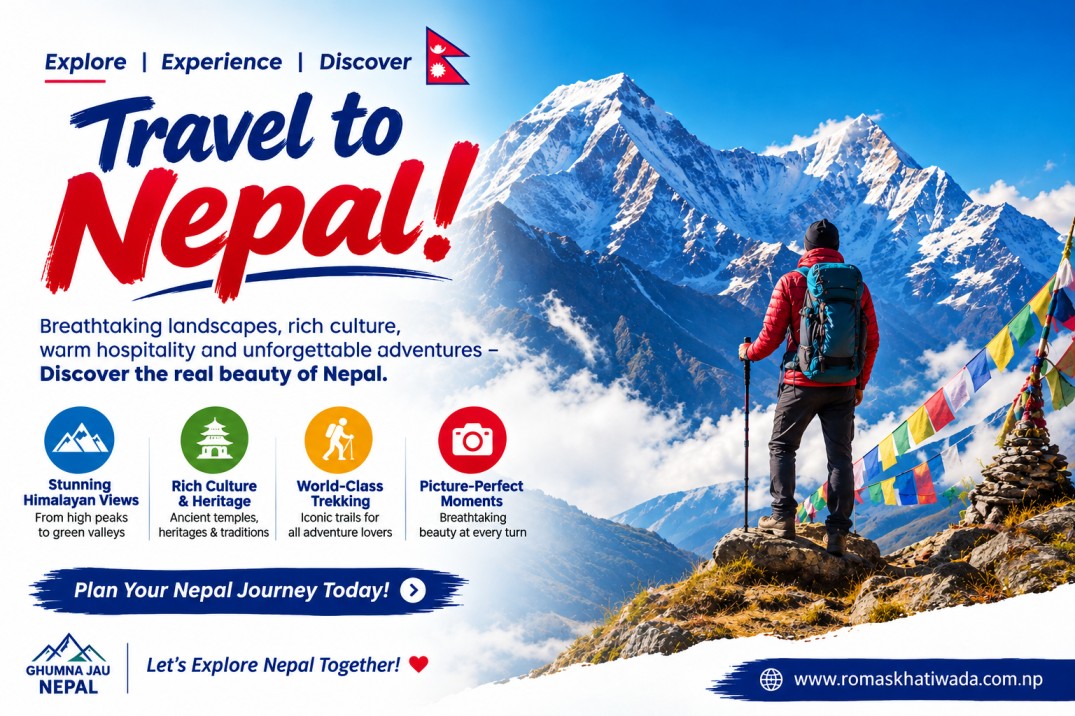
In late autumn, I found myself standing on the edge of a massive alpine ridge, wrapped in a down jacket that smelled faintly of woodsmoke and old mountain dust. Below me, a sea of white mist filled the valleys of Kaski; above me, the unyielding peaks of Annapurna II, Annapurna IV, and Lamjung Himal caught the very first rays of a cold Himalayan sun.
                  /\  /\      /\
                 /  \/  \    /  \      --- Peak Ridge (~7,937m)
                /        \  /    \
               /__________\/______\
                    ||        ||
   ========================================   --- Kori Danda High Meadow (~3,800m)
   . . . . . . . . . . . . . . . . . . . .   --- Sea of Morning Mist
This was Kori Danda, the geographic center of Nepal, a high-altitude meadow that feels like the edge of the living world.
For years, the Annapurna region has drawn millions of footsteps to its classic trails. Yet, tucked away in the shadows of these famous routes lies a true hidden trek Nepal secret: the combined journey to the pastures of Kori Danda (~3,800m) and the shores of Kapuche Lake (~2,546m), the lowest altitude glacier-fed lake on earth.
This isn’t just an itinerary; it’s a personal journey into the wild, traditional heart of Gurung country. If you are tired of commercialized trails and want an offbeat trek Nepal experience that challenges your legs while stirring your soul, walk this path with me.
2. Why I Chose This Trek: The Allure of the Offbeat
By early 2023, the post-monsoon travel itch had become unbearable. As a regular trekker, I had walked the dusty trails of the classic circuits, stayed in teahouses that felt more like city hotels, and shared viewpoints with hundreds of people holding selfie sticks. I wanted an adventure in Nepal that felt raw, isolated, and authentic.
+-----------------------------------------------------------------+
|               WHY CHOSE KORI & KAPUCHE?                         |
+-----------------------------------------------------------------+
| UNTAMED WILDERNESS | No massive tourist crowds; pure wilderness  |
| UNIQUE GEOGRAPHY   | Lowest glacier-fed lake on earth (Kapuche)  |
| CULTURAL DEPTH     | Unspoiled Gurung heritage in Sikles Village  |
| BALANCED CHALLENGE | From subtropics to alpine meadows in days   |
+-----------------------------------------------------------------+
When a local friend from Kaski whispered the names Sikles, Hugu Goth, Kapuche, and Kori Danda into a conversation over sweet milk tea in Kathmandu, something clicked.
Here was a route that offered two distinct geographical wonders in a single loop: a high-altitude alpine pasture used by local yak herders, and a pristine glacial lake surrounded by sheer cliffs that regularly drop roaring avalanches directly into its turquoise waters. It promised no luxury menus, no rows of crowded souvenir shops—just raw wilderness, unpredictable weather, and true mountain hospitality.
3. Preparing for the Journey: Logistics and Mindset
An offbeat trek Nepal requires a very different preparation strategy than a commercial trek like Annapurna Base Camp. There are no gear rental shops along the Kori Danda route, and the teahouses past Sikles are basic shelters (Goths) built by seasonal herders, rather than modern lodges.
       [PHYSICAL PREPARATION]            [LOGISTICAL PREPARATION]
     +--------------------------+      +--------------------------+
     | - Calisthenics & Cardio  |      | - Permits (ACAP & TIMS)  |
     | - Knee-strengthening     |      | - Local Cash (No ATMs)   |
     | - Backpack weight testing|      | - Water filtration kits  |
     +--------------------------+      +--------------------------+
My preparation focused on three core areas:
- Physical Conditioning: The climb from Hugu Goth to Kori Danda is incredibly steep, gaining over 1,700 meters of elevation in a single day. I spent weeks before the trip doing weighted step-ups, lunges, and high-intensity cardio to prepare my thighs for the relentless incline.
- Gear Inspection: I double-checked my cold-weather layers. Since parts of this journey involve basic high-altitude shelters, a solid sub-zero sleeping bag (down to -10°C) and a reliable, waterproof shell jacket were non-negotiable.
- Mental Reset: I reminded myself to expect the unexpected. On an offbeat trail, itineraries are fluid, weather forecasts are approximations, and comfort is measured by a dry bed and a warm bowl of soup.
4. Kathmandu to Pokhara: The Familiar Rhythm of the Road
Every great Nepalese trekking story begins with the overland journey out of the capital city. My Kathmandu to Pokhara road trip started at 6:30 AM on a crisp November morning. The Prithvi Highway is a legendary stretch of asphalt—a chaotic, beautiful road carved directly into the red clay hillsides along the Trishuli River.
  Kathmandu (1,400m)
         \
          \  [Prithvi Highway - ~200 km of winding river valleys]
           \
      Pokhara (820m)
As the bus moved through the outer edges of Kathmandu, the urban dust slowly gave way to green terraced farms and roadside markets selling fresh bananas, local oranges, and fried fish. The journey is a sensory experience:
- The smell of diesel fuel mixed with the crisp, clean air of the river valleys.
- The sudden bumps that bounce you out of your seat as the road undergoes massive expansions.
- The midday lunch stop at a local highway eatery, where you eat your first plate of spicy mutton curry and Dal Bhat while watching the gray waters of the Marshyangdi River rush past.
After seven hours of navigating narrow curves, passing colorful local trucks, and catching occasional glimpses of the Ganesh Himal range in the distance, we dropped down into the warm, tropical air of Pokhara.
5. Pokhara Morning: The Calm Before the Climb
I woke up early the next morning in Pokhara to a sight that never fails to inspire. The lakeside city was completely quiet, wrapped in a soft morning mist. From the shoreline of Phewa Lake, the sharp silhouette of Machhapuchhre (Fishtail) rose into the clear sky, its snowy faces turning a pale pink in the early morning light.
     ~~~~~~~~~~~~~~~~~~~~~~~~~~~~~~~~~~~~~~~
    ~~~~~~~~~~ PHEWA LAKE (820m) ~~~~~~~~~~~
   =========================================  <- Lakeside Path
     [FISHTAIL REFLECTION IN THE CALM WATER]
   -----------------------------------------
Pokhara before a trek is a time for final checks. I walked down to a quiet café, ordered a black coffee, and unrolled my map of the Kori Danda itinerary.
This would be my last taste of modern amenities for a week: no espresso machines, no high-speed internet, and no soft mattresses. I bought a few extra bars of dark chocolate, packed a handful of water purification tablets, and met the local four-wheel-drive jeep that would take us deep into the hills of Kaski.
6. Drive to Sikles: Into the Heart of Kaski
The journey from Pokhara to Sikles is a short but intense drive. The smooth asphalt of the city quickly transitions into a rough dirt track that climbs out of the Pokhara valley, passing through small farming hamlets like Kahun Deurali.
   Pokhara (820m)
         |
         v [Rough, unpaved mountain tracks]
   Sikles Village (1,980m)
Our jeep bounced along the narrow ledge of the road, dust clouds billowing behind us as the driver navigated tight hairpins high above the Madi River.
The landscape changed rapidly. The warm banana trees and rice fields of the lowlands disappeared, replaced by deep forests of oak, alder, and large stands of bamboo clinging to vertical cliffs.
After four hours of driving, the road crested a final ridge, and the historic Gurung settlement of Sikles opened up before us, sitting comfortably at 1,980 meters against a backdrop of Lamjung Himal.
7. Exploring Sikles Village: Living Stone and Gurung Traditions
Sikles is one of the largest and most beautifully preserved Gurung villages in western Nepal. It is a striking collection of traditional stone houses built closely together along the hillside, their clean slate roofs shining under the afternoon sun.
+--------------------------------------------------------------+
|                   THE ANATOMY OF SIKLES                      |
+--------------------------------------------------------------+
| ARCHITECTURE | Hand-cut stone walls, heavy dark slate roofs   |
| COMMUNITY    | Shared courtyards for drying corn and millet |
| CULTURE      | Active Rodhi heritages, strong military links|
| LIVING SPACE | Narrow stone alleys designed for foot traffic |
+--------------------------------------------------------------+
I spent the afternoon walking through the narrow stone alleys of the village. The atmosphere felt wonderfully preserved, untouched by modern commercial tourism:
- Old women sat on wooden porches, wearing traditional velvet blouses and large gold earrings, hand-spinning sheep’s wool into thick winter blankets.
- Bunches of yellow corn hung from wooden rafters, drying out before the coming winter frost.
- In the village square, old men sat together sharing stories of their youth in the British Gorkha regiments.
I stayed that night in a simple, family-run homestay. Dinner was a traditional bowl of organic Dal Bhat made with local leafy greens (Saag) and a fiery, home-style radish pickle (Achar). Sitting by the open wood fire in the kitchen, listening to the family speak in their native Gurung language, I felt a deep sense of connection to this place. This was the authentic Nepal I had come to find.
8. Beginning the Trek: Leaving the Comfort of Civilization
At 7:00 AM the next morning, I stepped out of the homestay, strapped on my 45-liter backpack, and officially started the foot journey of the Sikles Trek. The air was cold, and a low layer of mountain fog hung over the rooftops of the village as the first rays of sun hit the snowfields of Lamjung Himal far above.
        [Sikles Village - 1,980m]
                   \
                    \  [Steep descent down stone steps]
                     \
                [Madi Khola Bridge]
The trail begins with a long descent down hundreds of stone steps through the outer edges of the village, passing small vegetable gardens growing potatoes and local cabbage.
Soon, the path drops down to cross a suspension bridge over the roaring waters of the Madi Khola. Crossing that bridge felt like crossing a boundary line. Behind me lay the comfort, electricity, and roads of Sikles; ahead of me lay the deep wilderness of the Hugu valley, where the trails are narrow, the forests are thick, and human settlements are few and far between.
9. Forest Walk: The Sensory Symphony of the Lowlands
Once across the river, the trail enters a deep, subtropical forest that feels completely isolated from the outside world. The path narrows into a single-track dirt trail that winds along the edge of the river valley, shifting through dense groves of bamboo and old-growth trees.
             .oooOishi.  .oooOishi.
           .OishiiiiiO..OishiiiiiO.   --- Dense Subtropical Canopy
          .OishiiiiiO..OishiiiiiO.
               ||          ||
       ~~~~~~~~||~~~~~~~~~~||~~~~~~~~  --- Narrow, Mossy Dirt Trail
              /  \        /  \
Walking through this forest is a rich experience for the senses. The damp earth beneath my boots smelled of decomposing moss and wet ferns. The air was cool and humid, and the forest canopy was filled with the clear calls of colorful mountain birds and the deep chatter of gray langur monkeys moving through the high branches.
Every half-hour, the trail crossed small mountain streams rushing down from the upper glaciers. We walked carefully across damp logs and simple wooden planks laid over the cold water, our eyes constantly adjusting to the beautiful patterns of sunlight filtering through the dense green leaves.
10. Crossing Streams and Waterfalls: The Water Kingdom of Kaski
The geography of the Hugu valley is shaped by water. As you walk deeper along the Kapuche Lake trek route, the sound of rushing water becomes a constant background rhythm to your steps.
     \  \      /  /
      \  \    /  /
       \  \  /  /   --- Sheer Rock Face Waterfalls
        \  \/  /
        |      |
      ============== <- Simple Log Bridge Crossing
        ~ ~ ~ ~ ~ ~  <- Rushing Glacial Stream
On the way to Hugu Goth, we encountered several spectacular waterfalls tumbling down the sheer rock walls of the canyon. Some were delicate ribbons of mist falling from hundreds of feet above, while others were powerful torrents that sprayed cold, glacial water across the trail.
Crossing these streams requires balance and focus. In late autumn, the rocks near the water are covered in a thin layer of slippery moss. I relied heavily on my trekking poles, placing them carefully among the wet stones to stabilize myself against the pull of the current.
There were moments of genuine tension when a log bridge creaked under my weight, but the excitement of pushing deeper into this wild valley kept me moving forward.
11. Walking Through Rhododendron Forests: The Slumbering Woods
As the trail climbed past 2,200 meters, the bamboo groves began to give way to vast, ancient forests of rhododendron (Laligurans). While spring turns these hills into a sea of bright red flowers, walking through them in late autumn offers a very different, quiet beauty.
              (  (  (   )  )  )
            (  ( Gnarled Oak )  )     --- Ancient Mossy Woods
           ( (  & Rhododendron  ) )
               ||          ||
               ||          ||
       ========||==========||======== --- Earthen Trail
The trees were old and twisted, their gnarled trunks wrapped in thick coats of green moss and long, hanging ferns. The ground was covered with a soft layer of dried brown leaves that crunched quietly under my boots.
The forest had a mysterious quality, with wisps of afternoon cloud drifting through the branches and occasionally hiding the path from view. It felt like walking through a landscape out of a fantasy novel—a place that had remained unchanged for thousands of years, far removed from the rapid pace of the modern world.
12. Tea Break Moments: The Simple Luxury of a Hot Mug
On an offbeat trek Nepal route, you don’t find commercial snack stops every hour. There are no signs advertising cold sodas or fresh bakery items. Instead, your rest stops are simple clearances in the forest or small stone shelters used by local herders.
   +-------------------------------------------+
   |          TRAIL SNACK KIT                  |
   +-------------------------------------------+
   | - Metal thermos of hot ginger water       |
   | - Local roasted barley flour (Tsampa)      |
   | - A few blocks of dark chocolate          |
   | - Handful of dried almonds and raisins    |
   +-------------------------------------------+
Around noon, we stopped near a quiet mountain stream. I took off my heavy pack, sat down on a smooth boulder, and felt an immediate sense of relief as the cool air hit my damp back.
My guide pulled a small kerosene stove from his pack, lit it with a loud hiss, and boiled a small pot of water to make hot ginger-lemon tea.
Sitting there in the middle of that quiet forest, holding a warm metal mug between my hands and eating a piece of dark chocolate, I enjoyed a sense of comfort that no luxury hotel could match. These quiet moments of rest are when you really appreciate the simple scale of trail life.
13. Arrival at Hugu Goth: The Edge of Isolation
After six hours of steady walking from Sikles, the dense forest finally opened up into a small, grassy clearing at 2,026 meters. This was Hugu Goth, our base camp for the journeys to both Kori Danda and Kapuche Lake.
     ==========================================
     HUGU GOTH JUNCTION (2,026m)
     ==========================================
        [Herders' Hut]    [Basic Shelter]
     ------------------------------------------
     <- Left: To Kori Danda (Steep Climb)
     -> Right: To Kapuche Glacial Lake
     ------------------------------------------
Hugu Goth is not a village; it is a seasonal settlement consisting of a few basic huts built from hand-cut stone, wood, and sheets of corrugated tin. These shelters are managed by local herders who tend to their water buffaloes and sheep during the warmer months.
The accommodation here is simple. We stayed in a shared room with basic wooden beds and thin foam mattresses.
As the sun set behind the ridges, the temperature dropped quickly, and everyone gathered inside the main stone hut. The herder’s family was cooking a simple dinner over a wood fire, the room filling with the rich smells of woodsmoke and boiling lentils.
We sat on low wooden stools, sharing a simple meal of Dal Bhat by the light of a single solar bulb, listening to the wind gather strength in the valley outside.
14. Journey to Kori Danda: The Relentless Ascent
The next morning brought the most physically demanding section of the entire Kori Danda itinerary. The climb from Hugu Goth (~2,026m) to the high pastures of Kori Danda (~3,800m) is a serious challenge, requiring you to gain nearly 1,800 meters of elevation in a single day of continuous climbing.
         [KORI DANDA MEADOWS - ~3,800m]
                 ^
                /
               /   --- 6 to 7 Hours of Continuous Steep Incline
              /    --- Narrow dirt ridges & alpine switchbacks
             /
     [Hugu Goth - 2,026m]
We left early at 6:00 AM. The trail immediately begins climbing up a steep ridge, leaving the river valley behind. The path is narrow, rugged, and filled with exposed tree roots and loose gravel.
There are no flat sections here; it is a continuous, steep incline that tests your leg strength and mental focus.
As we climbed higher, the dense forest began to thin out. By midday, we had passed the tree line and entered the open alpine zone, where the trail winds along narrow, grassy ridges exposed to the cold mountain wind.
My thighs were burning, my lungs worked hard in the thinning air, and I had to stop every twenty minutes to rest my legs and sip water. The sheer scale of the climb was exhausting, but every look back down at the deep valleys below showed how much ground we were gaining.
15. Sunrise from Kori: The Golden Awakening of the Pastures
I woke up at 5:00 AM on the high meadows of Kori Danda. The temperature inside our basic shelter had dropped well below freezing, and a layer of white frost covered the grass outside. I pulled on my warm layers and walked out onto the open ridge, waiting for the sun to rise.
       .  .  .  .  .  .  .  .  .  .  .  .  .
     .      FIRST LIGHT HITS THE WALL       .
    .               /\                      .
   .               /  \  --- Annapurna II    .
  .               /____\                     .
   .                ||                      .
     .  .  .  .  .  .  .  .  .  .  .  .  .
The sunrise from Kori Danda is an incredible visual experience. As the first light broke over the eastern horizon, the dark, massive wall of Annapurna II (~7,937m) and Lamjung Himal (~6,983m) caught the sun, turning a bright, glowing gold against a deep blue sky.
The light slowly spread down the snowfields, illuminating the wide, rolling yellow pastures of the plateau. The vast grasslands looked like a golden sea floating high above the clouds.
Standing on that open ridge, watching the immense scale of the mountains light up while the cold wind blew across the pastures, the exhaustion of the previous day’s climb completely disappeared.
16. Mountain Panorama: The Sky of Giants
From the high vantage point of Kori Danda, the mountain view is vast and clear. You are standing close to the enormous rock faces of the Central Himalayas, offering a view that feels incredibly immediate.
+--------------------------------------------------------------------------+
|                     THE PANORAMA FROM KORI DANDA (~3,800m)               |
+--------------------------------------------------------------------------+
| ANNAPURNA II   | LAMJUNG HIMAL  | MACHHAPUCHHRE | MARDI HIMAL | ANNAPURNA IV |
| (7,937m)       | (6,983m)       | (6,993m)      | (5,587m)    | (7,525m)     |
| Massive Wall   | Rugged Snowy   | Sharp, Iconic | Dark Rock   | Elegant Ice  |
| of Ice & Rock  | Shoulders      | Spire Profile | Ridge Line  | Pyramids     |
+--------------------------------------------------------------------------+
To the north stands Annapurna II, a massive mountain of rock and ice that dominates the skyline. Next to it, Lamjung Himal looks incredibly close, its deep glaciers hanging over the lower valleys.
Looking west, the familiar shape of Machhapuchhre (Fishtail) shows a different, sharper profile than the one you see from Pokhara, appearing as a clean spire cutting into the sky.
The view also includes Mardi Himal and Annapurna IV, creating a continuous wall of snow and ice that fills your entire field of vision. It is a spectacular view that rewards you for every hard step taken on the climb up.
17. Camping and Tea House Experience at Kori: The Herder’s Hospitality
Staying at Kori Danda offers a real look into traditional mountain life. There are no standard tourist lodges here; the accommodation consists of basic stone shelters used by local Gurung yak herders during the summer grazing season.
   +---------------------------------------------+
   |          KORI ALPINE GOTH LIVING            |
   +---------------------------------------------+
   | - Low dry-stone walls with tin roofing      |
   | - Central open hearth for warmth and cooking|
   | - Simple wooden platforms for sleeping      |
   | - Natural mountain springs for water source |
   +---------------------------------------------+
The shelters are simple structures with dry-stone walls and low tin roofs, designed to withstand the strong alpine winds. Inside, there is an open fire pit in the center, which serves as both the kitchen and the main heat source for the building.
We spent the evening sitting around this fire pit, talking with a local herder who had spent over thirty winters on these high pastures.
He shared stories of tracking lost yaks in winter blizzards and protecting his herd from mountain leopards.
We ate a simple dinner of thick cornmeal porridge (Dhido) served with a rich, local yak ghee and hot lentil soup. Falling asleep in my cold room, wrapped deep inside my sleeping bag while the wind rattled the tin roof outside, I felt a deep appreciation for the tough, self-sufficient lifestyle of the people who call these high pastures home.
18. Journey to Kapuche Lake: Descending into the Deep Valley
After experiencing the high vistas of Kori Danda, we retraced our steps down the steep ridge back to Hugu Goth, took a short break, and then headed toward our next major destination: Kapuche Lake Nepal.
   Hugu Goth (2,026m)
         \
          \  [2 to 3 Hours of rolling forest trails]
           \
   Kapuche Lake (2,546m)
The trail from Hugu Goth to Kapuche Lake follows the path of the river valley, crossing rolling terrain through deep forests of oak and laurel. The path is narrow and can be muddy, requiring you to navigate around large boulders and scramble up short, rocky sections.
As you walk deeper into the canyon, the air becomes cooler and damp, and the roar of the glacier-fed river grows louder. The walk takes about three hours from Hugu Goth, moving through a landscape that feels hidden away, deep within the folds of the mountainside.
19. First View of Kapuche: The Turquoise Mirror
Nothing quite prepares you for the first sight of Kapuche Glacial Lake. You walk through a final group of dense trees, round a sharp rocky corner, and the landscape suddenly opens up to reveal a stunning, hidden alpine lake sitting quietly at 2,546 meters.
              /\   /\   /\
             /  \ /  \ /  \  --- Sheer Glacial Cliffs
            /____/____/____\
            |              |
            |   [GLACIER]  | --- Virgin Ice Cascades
            |______________|
           (~~~~~~~~~~~~~~~~)
          (  KAPUCHE LAKE  ) --- Pristine Turquoise Mirror
           (~~~~~~~~~~~~~~~~)
The lake is a beautiful, vivid shade of turquoise, its color shifting from deep emerald to bright blue depending on the angle of the afternoon sun.
It is uniquely positioned right at the base of the massive, vertical rock walls of Annapurna II and Lamjung Himal.
The glaciers hanging thousands of meters above drop clean, virgin snow and ice directly into the water below. The lake operates like a huge natural mirror, perfectly reflecting the white peaks and dark rock faces that surround it, creating a scene of remarkable natural beauty.
20. The Silence of the Lake: Nature’s Amphitheater
Kapuche Lake holds a special geographic distinction: it is documented as the lowest altitude glacier-fed lake on earth, sitting at just 2,546 meters above sea level. This unique position means you can stand right at the edge of an active glacial lagoon without dealing with the thin air and cold temperatures of high-altitude locations like Tilicho or Cho Rolpa.
+--------------------------------------------------------------+
|                   KAPUCHE LAKE PROFILE                       |
+--------------------------------------------------------------+
| ALTITUDE   | 2,546 meters (Lowest glacier-fed lake globally) |
| WATER TYPE | Pure, unfiltered glacial meltwater               |
| DYNAMICS   | Fed by direct avalanches from Annapurna II       |
| ACOUSTICS  | Natural rock bowl that amplifies mountain sounds |
+--------------------------------------------------------------+
The acoustic quality of the lake environment is memorable. The water body sits in a deep rock bowl that amplifies the natural sounds of the mountainside.
While I sat quietly on the rocky shore, a sudden, loud crack echoed from the high peaks above—the sound of an avalanche breaking away from the upper glacier.
We watched as a large wave of white snow tumbled down the vertical cliffs, falling into the far side of the lake with a deep roar that sent ripples across the water. It was a powerful reminder of the active, changing nature of the Himalayan landscape.
21. Photography Moments: Capturing the Hidden Colors
For travelers who love photography, the combination of Kori Danda and Kapuche Lake offers an incredible variety of landscapes, colors, and textures to capture.
      [KORI DANDA PHOTOGRAPHY]            [KAPUCHE LAKE PHOTOGRAPHY]
   +----------------------------+      +----------------------------+
   | - Wide golden pastures     |      | - Turquoise water reflections|
   | - Layered morning clouds   |      | - Sheer vertical rock walls|
   | - Backlit yak silhouettes  |      | - Moving ice and ripples   |
   +----------------------------+      +----------------------------+
- At Kori Danda: Focus on the wide scale of the high plateau. The early morning light creates long, dramatic shadows across the golden grasses. Try positioning local yaks or the stone herder huts in the foreground to give your mountain photos a clear sense of context and scale.
- At Kapuche Lake: The best shots are found by utilizing the natural reflections on the water’s surface. Use a polarizing filter if you have one to manage the glare on the water and bring out the deep, true turquoise color of the lake. Photographing from a slightly elevated position along the shore helps capture the full connection between the lake water and the glaciers rising directly above it.
22. Return Journey: Retracing Footsteps through the Wilds
Every loop journey eventually turns back toward home. After spending a quiet morning enjoying the lakeside view at Kapuche, we packed our gear and began the long return walk back along the valley trail.
   Kapuche Lake -> Hugu Goth -> Sikles Village -> Pokhara
   [--- 1 Day of Long Trekking ---]  [--- 4WD Jeep Drive ---]
The walk back to Sikles is a long, physically demanding day that combines flat forest paths with steady uphill climbs.
Walking the same trail in reverse offers a different perspective on the landscape; you notice small waterfalls, unique rock shapes, and ancient trees that you missed during the strenuous walk inward.
By the time we crossed the final suspension bridge over the Madi Khola and climbed the steep stone steps back into Sikles, our legs were tired, but we felt a real sense of accomplishment.
We spent a final night in the village, enjoying a warm shower and a celebratory dinner before boarding our four-wheel-drive jeep the next morning for the bumpy drive back to Pokhara.
23. Return to Pokhara: Transitioning Back to the Modern World
Arriving back in Pokhara after days spent in the deep wilderness of Kaski is always a bit of a sensory shock. The smooth asphalt roads, the bright streetlights, the sound of car engines, and the busy lakeside markets feel strangely loud after the deep silence of Kori Danda.
     ===========================================
     THE POST-TREK REWARD IN POKHARA
     ===========================================
      - Long, hot shower to wash off trail dust
      - Freshly brewed wood-fired pizza & coffee
      - Relaxed boat ride on the calm Phewa Lake
     ===========================================
I checked into a comfortable lakeside hotel, took a long, hot shower to wash away the accumulated dust of the trail, and headed out to a local restaurant facing the water.
Sitting at a wooden table, eating a fresh wood-fired pizza and drinking a cold beverage while watching the sunset reflect across Phewa Lake, I felt a deep sense of satisfaction.
My body was tired and my boots were worn, but my mind was full of the incredible landscapes, quiet forests, and warm hospitality of the hidden trail I had just left behind.
24. Travel Reflections: The Value of the Uncrowded Path
Looking back at my journey through the Sikles Trek circuit to Kori and Kapuche, I am reminded of why offbeat travel is so valuable.
In a world where popular destinations are increasingly commercialized and crowded, finding places that keep their raw character and quiet atmosphere is truly special.
                  =============================
                  MY PERSONAL TRAIL LESSONS
                  =============================
                   - True isolation clarifies the mind
                   - Simple herder life teaches humility
                   - The hardest climbs yield the best views
                   - Nature's raw power demands respect
                  =============================
This trek challenged me physically with its steep climbs and simple accommodations, but it gave back so much more in return:
- The rare privilege of standing beside a beautiful glacial lake without another tourist in sight.
- The experience of sharing a simple meal with local herders by their open fire pit.
- The memory of watching the sunrise turn the high snowfields of Annapurna II to gold from an empty pasture.
These experiences remind us that the best travel memories are often found when you leave the busy, well-worn paths behind and venture into the quiet corners of the world.
25. Complete Financial Planning & Cost Breakdown
Trekking through the offbeat routes of Kaski is an affordable adventure, but it requires careful financial planning because there are no operational ATMs past Pokhara. Here is a realistic, itemized breakdown of the Kori Danda trek cost based on my travel experience.
Expense Breakdown Table
| Category | Estimated Cost (NPR) | Estimated Cost (USD) | Service Description / Coverage |
| ACAP Entry Permit | रू 3,000 | $25 | Standard conservation area entry fee |
| TIMS Card | रू 2,000 | $17 | Mandatory trekker registration tracking |
| Local Jeep (Shared) | रू 800 – 1,200 | $7 – $10 | Per person, Pokhara to Sikles route |
| Local Jeep (Private) | रू 12,000 – 15,000 | $100 – $125 | Full vehicle booking, one-way option |
| Homestay Room (Sikles) | रू 1,000 – 1,500 | $8 – $12 | Per night, double occupancy room |
| Herders’ Goth Shelter | रू 800 – 1,200 | $7 – $10 | Per night, basic shared high-altitude hut |
| Daily Food & Hot Drinks | रू 2,500 – 3,500 | $200 – $30 | Three simple mountain meals per day |
| Guide Salary (Daily) | रू 3,000 – 4,000 | $25 – $32 | Professional licensed trail guide service |
| Porter Salary (Daily) | रू 2,500 – 3,000 | $20 – $25 | Carries up to 20kg of main trekking gear |
Financial Tip: Always carry an extra emergency fund of approximately NPR 10,000 to 15,000 in cash. Unexpected weather shifts, trail delays, or the desire to hire a local horse or porter in case of injury can create sudden expenses that can only be settled with physical paper currency on the mountain.
26. Comprehensive Logistics Guide
To help you organize your own journey successfully, here is a detailed operational guide covering transportation, accommodation, food, and gear requirements for the Kori Trek loop.
+-------------------------------------------------------------+
|                     LOGISTICAL AT A GLANCE                  |
+-------------------------------------------------------------+
| TRANSPORT   | 4WD Jeeps are essential for Pokhara-Sikles road|
| LODGING     | Mix of Gurung homestays & basic herders' huts |
| WATER       | Bring filtration kits; no plastic bottles sold |
| ELECTRICITY | Solar power available in hubs; carry power banks|
+-------------------------------------------------------------+
Transportation Guide
The journey starts with getting to the trailhead village of Sikles. Four-wheel-drive jeeps leave regularly from the Amar Singh Chowk counter in Pokhara.
The public shared jeeps start running around 7:00 AM and continue until 2:00 PM, leaving once they are fully loaded with passengers and cargo.
If you prefer more comfort or are traveling with a small group, you can easily arrange a private jeep rental through any local travel agency in Pokhara, which allows you to set your own departure time and stop for photos along the way.
Accommodation Guide
The type of lodging shifts dramatically as you move along the trail:
- Sikles Village: Excellent family-run homestays and small traditional lodges offer comfortable rooms, clean blankets, hot showers, and common dining spaces.
- Hugu Goth & Kori Danda: Accommodation changes to basic mountain shelters (Goths). These are simple stone structures with shared rooms, thin mattresses, and outdoor pit toilets. Hot showers are not available here, and space can be limited during the peak herding months.
Food Guide
The food along this route is simple, locally sourced, and filling. Dal Bhat is the main choice at every stop, made with fresh grains and vegetables grown in the lower village gardens.
In the higher shelters, you can try traditional mountain foods like Dhido (cooked buckwheat or cornmeal paste) served with local ghee, pancake-style Tibetan bread, and hot noodle soups cooked over open wood fires.
Make sure to bring your own favorite trail snacks like energy bars, nuts, and chocolate, as these items are not available for purchase past Sikles.
27. The Essential Gear & Packing Checklist
Packing correctly for an offbeat journey means balancing the need for warm, reliable gear with the physical realities of carrying your own pack up steep mountain ridges.
+-------------------------------------------------------------------+
|                        TRAIL PACKING LIST                         |
+-------------------------------------------------------------------+
| INSULATION  | Thermal base layers, mid-fleece, down jacket (-10C) |
| OUTERWEAR   | Windproof shell trousers, waterproof jacket, poncho |
| FOOTWEAR    | Broken-in boots, wool blend socks, camp sandals    |
| UTILITY     | 45L Pack, trekking poles, headlamp, 20k mAh bank    |
+-------------------------------------------------------------------+
Warm Layering System
- 2 pairs of synthetic thermal tops and bottoms (ideal for cold nights).
- 3 breathable, quick-dry trekking t-shirts.
- 1 mid-weight fleece sweater or jacket.
- 1 high-quality down jacket rated for cold weather (comfortable to -10°C).
- 2 pairs of durable, windproof trekking trousers.
Footwear & Protection
- 1 pair of broken-in trekking boots with deep rubber treads.
- 4 pairs of high-quality wool blend trekking socks to prevent blisters.
- 1 pair of lightweight sandals or slip-on shoes for use inside the teahouses.
- A warm wool beanies and a pair of insulated winter gloves.
Electronics & Trail Basics
- A sturdy 45L to 50L internal frame backpack with a waterproof rain cover.
- A dependable headlamp with a strong beam for early morning starts.
- A high-capacity power bank (20,000mAh or higher) to keep devices charged.
- A reliable water filtration pump or squeeze system, along with backup purification tablets.
28. Route Specifications: Altitude, Difficulty, and Permits
Understanding the physical profile and legal requirements of the trail is essential for planning a safe and legal journey through Kaski.
  [3,800m] -- Kori Danda High Pasture (Peak Elevation / Alpine Cold)
     |
  [2,546m] -- Kapuche Glacial Lake (Glacial Bowl Valley)
     |
  [1,980m] -- Sikles Traditional Village (Trailhead / Gurung Hub)
Altitude Profile
This journey starts at 1,980 meters in Sikles and reaches its highest point at approximately 3,800 meters on the plateau of Kori Danda.
Because the route climbs quickly from the river valley up to the high ridge, it requires a significant elevation gain in a short amount of time.
Keep a steady, managed pace and monitor how your body responds to the altitude as you climb past the 3,000-meter mark.
Difficulty Evaluation
The combined loop is officially rated as strenuous.
While the walk to Kapuche Lake follows a moderate valley path, the trail climbing up to Kori Danda is a steep, relentless ascent up narrow ridges and exposed grassy slopes.
The route requires good physical fitness, strong knees for the steep descents, and a willingness to stay in simple, basic mountain accommodations.
Permit Requirements
Because the entire route sits within the protected borders of the Annapurna Conservation Area, you must secure two key pieces of travel paperwork:
- ACAP Entry Permit: Costs NPR 3,000 ($25 USD) for international visitors.
- TIMS Registration Card: Costs NPR 2,000 ($17 USD) for safety tracking.
Both items can be obtained at the Nepal Tourism Board offices in either Kathmandu or Pokhara before heading to the trailhead.
29. Responsible Tourism & Travel Mistakes to Avoid
Practicing sustainable travel habits helps preserve these beautiful, fragile locations for the future, while avoiding common mistakes makes your trip much smoother.
      [RESPONSIBLE PRACTICES]                 [MISTAKES TO AVOID]
   +----------------------------+      +----------------------------+
   | - Pack out all plastic waste|      | - Rushing the Kori ascent  |
   | - Pay fair local prices    |      | - Standing near lake cliffs|
   | - Respect herder shelters  |      | - Forgetting extra cash    |
   +----------------------------+      +----------------------------+
- Leave No Trace: There are no organized trash collections in the high valleys past Sikles. You must pack out every piece of plastic waste, energy bar wrappers, and personal trash you generate, carrying it back down to Pokhara for proper disposal.
- Lake Safety: When visiting Kapuche Lake, always stay on the designated safety side of the shoreline. The cliffs on the opposite side are active avalanche zones; approaching them or attempting to swim in the glacial water is dangerous due to falling ice and extreme currents.
- Respect the Shelters: The high-altitude stone huts are private properties built by local herders. Always ask for permission before entering, treat the common fire spaces with care, and pay the requested prices for food and lodging without trying to aggressively barter.
30. Who Should Embark on This Offbeat Adventure?
This unique Himalayan trail is a fantastic choice for specific types of travelers who appreciate raw nature and quiet routes.
   [IDEAL TRAVELER PROFILES]
    - Experienced hikers seeking an uncrowded trail
    - Photographers looking for unique lake and peak views
    - Cultural travelers eager to experience real village life
    - Trekkers wanting a shorter but physically challenging route
If you enjoy the social atmosphere of busy mountain towns with warm bakeries and evening movies, this remote trail might feel a bit too isolated.
However, if you are looking for a true wilderness experience, appreciate basic mountain hospitality, and want to see incredible mountain vistas without the crowds, this combined loop offers a memorable adventure.
31. Detailed Day-by-Day Master Itinerary
Here is a comprehensive day-by-day roadmap designed to help you balance your walking hours, manage altitude gain safely, and get the most out of your journey.
+------------------------------------------------------------------------+
|                      THE 6-DAY COMPREHENSIVE LOOP                      |
+------------------------------------------------------------------------+
| DAY 1 | Pokhara to Sikles Village       | 4WD Jeep Drive & Homestay    |
| DAY 2 | Sikles to Hugu Goth             | Valley Walk & Forest Trails  |
| DAY 3 | Hugu Goth to Kori Danda         | Strenuous Ridge Incline Climb|
| DAY 4 | Kori Danda to Hugu Goth         | Sunrise View & Descent Walk  |
| DAY 5 | Hugu Goth to Kapuche to Sikles  | Glacial Lake Visit & Return  |
| DAY 6 | Sikles Village to Pokhara       | Morning Village Walk & Drive |
+------------------------------------------------------------------------+
Day 1: Pokhara to Sikles Village
- Elevation: Starting at 820m, ending at 1,980m
- Travel Time: 4 hours of four-wheel driving
- Activity: Morning drive out of Pokhara, check into a traditional Gurung homestay, and spend the afternoon exploring the historic stone lanes and local museum of Sikles.
Day 2: Sikles Village to Hugu Goth
- Elevation: Ending at 2,026m
- Walking Time: 5–6 hours of steady trekking
- Activity: Descend down the village steps to cross the Madi Khola suspension bridge, followed by a long walk through dense bamboo and mossy oak forests along the river valley.
Day 3: Hugu Goth to Kori Danda
- Elevation: Ending at ~3,800m
- Walking Time: 6–7 hours of continuous steep climbing
- Activity: A challenging day spent ascending a steep ridge line, passing through the upper tree line to reach the wide, rolling high pastures of Kori Danda.
Day 4: Kori Danda to Hugu Goth
- Elevation: Returning down to 2,026m
- Walking Time: 4–5 hours of downhill walking
- Activity: Wake up early for the golden sunrise view over the Annapurna range, explore the high yak pastures, and retrace your steps back down the steep ridge to the shelter at Hugu Goth.
Day 5: Hugu Goth to Kapuche Glacial Lake to Sikles Village
- Elevation: Peak at 2,546m, overnight at 1,980m
- Walking Time: 7–8 hours of total walking
- Activity: Take an early morning walk to the pristine turquoise waters of Kapuche Lake, enjoy a quiet lunch by the shoreline, and make the long return walk back along the valley trail to Sikles.
Day 6: Sikles Village to Pokhara
- Elevation: Returning down to 820m
- Travel Time: 4 hours drive
- Activity: Enjoy a relaxed morning breakfast in the village, say goodbye to your host family, and take a local jeep ride back to the lakeside city of Pokhara.
32. Best Time to Visit: Reading the Mountain Calendar
Choosing the right months for your trip makes a significant difference in trail conditions, weather stability, and the overall landscape you will experience.
       [AUTUMN: OCT-NOV]                     [SPRING: MAR-APR]
   +-----------------------+             +-----------------------+
   | - Clear, deep blue sky|             | - Blooming rhododendrons|
   | - Crisp, stable air   |             | - Warmer temperatures |
   | - Sharpest reflections|             | - Active forest life  |
   +-----------------------+             +-----------------------+
The Autumn Window (October to November)
This is widely considered the best season for this specific loop.
The post-monsoon air is clear and clean, offering excellent visibility of the high peaks.
The stable, dry weather makes navigating the steep ridges of Kori Danda safer, and the calm conditions provide beautiful reflections on the surface of Kapuche Lake. Nights are cold at high altitudes, but the clear skies make it well worth the extra layers.
The Spring Window (March to April)
Spring brings a wonderful burst of color to the lower sections of the trail. The vast forests between Sikles and Hugu Goth come alive with blooming red, pink, and white rhododendrons.
Daytime temperatures are comfortably warm for walking, though afternoon clouds can sometimes gather, slightly limiting the distant mountain views later in the day.
33. Frequently Asked Questions (FAQ)
1. Where is Kori Danda located?
Kori Danda is situated in the Kaski District of Gandaki Province, directly northeast of Pokhara. It forms a high alpine ridge that is considered by geographers to be close to the exact geographic center point of Nepal.
2. How deep is Kapuche Glacial Lake?
While official deep-water soundings remain limited, local estimates place the maximum depth of Kapuche Lake at around 40 to 50 meters. The water level changes throughout the year depending on glacier meltwater rates and direct avalanche inputs.
3. Can you camp at Kapuche Lake?
Camping directly on the immediate rocky shore of Kapuche Lake is not recommended due to safety risks from sudden waves caused by avalanches falling off the cliffs opposite. It is much safer to base yourself at the nearby herder huts in Hugu Goth.
4. Is electricity available past Sikles Village?
Electricity is very limited past Sikles. The shelters at Hugu Goth and Kori Danda rely on small solar panels that power basic common lights. There are no regular electrical outlets for charging devices, so carrying a high-capacity power bank is essential.
5. Do I need an internet connection for this trail?
Cellular data service drops off completely along many sections of the forest valley and at the lake. It is best to download your trail maps, documents, and emergency contact details for offline use before leaving Pokhara.
6. Are there leeches on the trail?
During the wet monsoon summer months (June to September), the damp forest trails between Sikles and Hugu Goth have plenty of active leeches. However, if you travel during the dry autumn window (October to November), leeches are rarely encountered.
7. What language do people speak in these villages?
The local resident population is predominantly of Gurung heritage. While they speak their native Gurung language among family, everyone is completely fluent in Nepali, and most young people and lodge hosts speak good English.
8. Can I buy bottled mineral water along the route?
To minimize plastic waste in this remote ecosystem, teahouses past Sikles do not sell commercial single-use plastic water bottles. You should bring your own reusable flasks and use purification tablets or a reliable water filter.
9. What is the youngest age recommended for this trek?
Due to the steep, strenuous climb up the ridge to Kori Danda and the basic nature of the mountain shelters, this loop is best suited for fit hikers aged 12 and older who have some experience with multi-day hill walking.
10. Can I rent my trekking gear in Sikles Village?
No, there are no commercial gear rental shops or outdoor supply stores in Sikles. You must purchase or rent all your necessary gear—including down jackets, sleeping bags, and walking poles—in Pokhara or Kathmandu before starting your trip.
11. Is the trail safe for solo female travelers?
Yes, the communities along this route are welcoming, safe, and respectful. However, because the forest trails are remote and see limited foot traffic, it is always recommended to travel with a local guide or a small group rather than walking completely alone.
12. Are there hot showers available at Hugu Goth?
No, the basic herder shelters at Hugu Goth do not have modern plumbing or hot gas showers. If needed, you can ask the host family to heat a small bucket of water over the wood fire for basic washing.
13. What kind of meat options are available on the trail?
Food options past Sikles are mostly vegetarian, focused on fresh lentils, rice, and seasonal vegetables. Fresh meat is difficult to store safely without refrigeration in remote mountain shelters, so it’s best to stick to vegetarian meals for health and safety.
14. How common are avalanches at Kapuche Lake?
Small avalanches happen regularly along the sheer vertical face of Annapurna II on the far side of the lake. They are spectacular to watch from a safe distance on the shore, but their unpredictable timing is why staying alert is so important.
15. Do I need crampons for the Kori Danda climb?
During the standard autumn and spring seasons, the trail to Kori Danda is free of permanent ice and does not require technical crampons. However, if you attempt the route in deep winter (January to February), snow spikes or microspikes are necessary.
16. What is the maximum altitude reached on this trek?
The peak altitude of this combined itinerary is reached at the high pasture plateau of Kori Danda, which sits at approximately 3,800 meters above sea level.
17. Are there functional ATMs on the trail?
No, the last functional bank ATMs are located in Pokhara. Make sure to withdraw all the cash you will need for your permits, transport, food, and emergency reserves before leaving the city.
18. What should I do if I show symptoms of altitude sickness?
If you experience persistent headaches, nausea, or dizziness while climbing toward Kori Danda, stop climbing immediately. Rest, drink water, and if the symptoms do not improve within an hour, descend to the lower altitude at Hugu Goth.
19. How long is the drive from Pokhara to Sikles?
The 4WD jeep drive takes about 4 hours to complete, depending on current road conditions, weather, and seasonal mud along the unpaved sections of the mountain road.
20. Why is Kapuche Lake called a green lake?
The lake gets its unique turquoise color from “rock flour” or glacial flour—incredibly fine silt suspended in the water that scatters light in the green and blue wavelengths as the sun hits the surface.
34. Personal Lessons from the High Plateau
Spending time on the quiet trails of Kori and Kapuche taught me a few valuable lessons that go beyond standard travel advice.
In our busy daily lives, we are constantly surrounded by notifications, deadlines, and the pressure to move quickly.
The mountains don’t care about any of that.
On a steep ridge line like the climb to Kori Danda, you cannot rush.
If you try to move too fast, you quickly run out of breath and energy.
The trail forces you to adopt a steady, patient rhythm—matching your steps to your breathing, focusing on the immediate ground in front of you, and accepting the slow process of gaining altitude.
   [MY RENEWED OUTLOOK ON TRAVEL]
   - True luxury is a dry room and a hot tea after a long walk.
   - The best travel experiences cannot be bought or commercialized.
   - Taking time to listen to the silence is good for the mind.
   - Respecting the local way of life connects us to the places we visit.
It also reminded me of the true meaning of hospitality.
The herders we met at Kori didn’t offer us a luxury menu, but they gave us the warmest spot by their fire, shared their limited supply of fresh yak ghee, and treated us like welcome guests in their home.
These genuine connections, built around a simple fire pit in the mountains, are what make traveling through the remote corners of Nepal so rewarding.
35. Final Reflection: The Mountain Call
As I stood on the open ridge of Kori Danda on our final morning, watching the last bits of golden light fade from the snowy peak of Machhapuchhre, I knew this journey would stay with me for a long time.
The Kori Danda Trek and the quiet shores of Kapuche Lake offer a rare look into a Himalayan landscape that remains wild, authentic, and deeply connected to its roots.
       /\       [THE CALL OF THE OFFBEAT]
      /  \      - 6 Days of Real Wilderness Walking
     /____\     - ~3,800m Maximum Altitude Achievement
      ||||      - Lifetime of Authentic Travel Memories
It is a trail that demands physical effort, patience, and a respect for simple living conditions.
But what it gives back in return—the stunning, quiet views, the beautiful glacial colors, and the genuine warmth of the Gurung communities—is something truly special.
If you are looking for an adventure that challenges your limits while providing a true sense of peace, these hidden paths are waiting for your footsteps.
36. Conclusion: The Path Ahead
The remote trails of Kaski offer a wonderful alternative for travelers seeking a quieter, more authentic mountain experience.
From the historic stone architecture of Sikles Village to the steep paths of Kori Danda and the turquoise waters of Kapuche Lake, this route showcases the incredible natural and cultural diversity of Nepal.
Pack your gear with care, treat the local communities with respect, and step onto a trail that offers a truly memorable journey.
Author: Romas Khatiwada
Website: https://romaskhatiwada.com.np
Author Bio: Travel Blogger | Trekker | Explorer | Storyteller | Nepal Travel Enthusiast
Share Your Trail Story!
Have you ever explored the hidden trails around Sikles, or do you dream of standing by the turquoise waters of Kapuche Lake? Which part of this offbeat route catches your imagination the most? I would love to hear your personal travel thoughts, questions, and adventure plans. Drop a comment below, share this travel memoir with your favorite trekking partners, and follow the website for more authentic stories and comprehensive guides from the heart of the Himalayas!
